How Custom Manifolds are Changing the Game in Fluid Mechanics
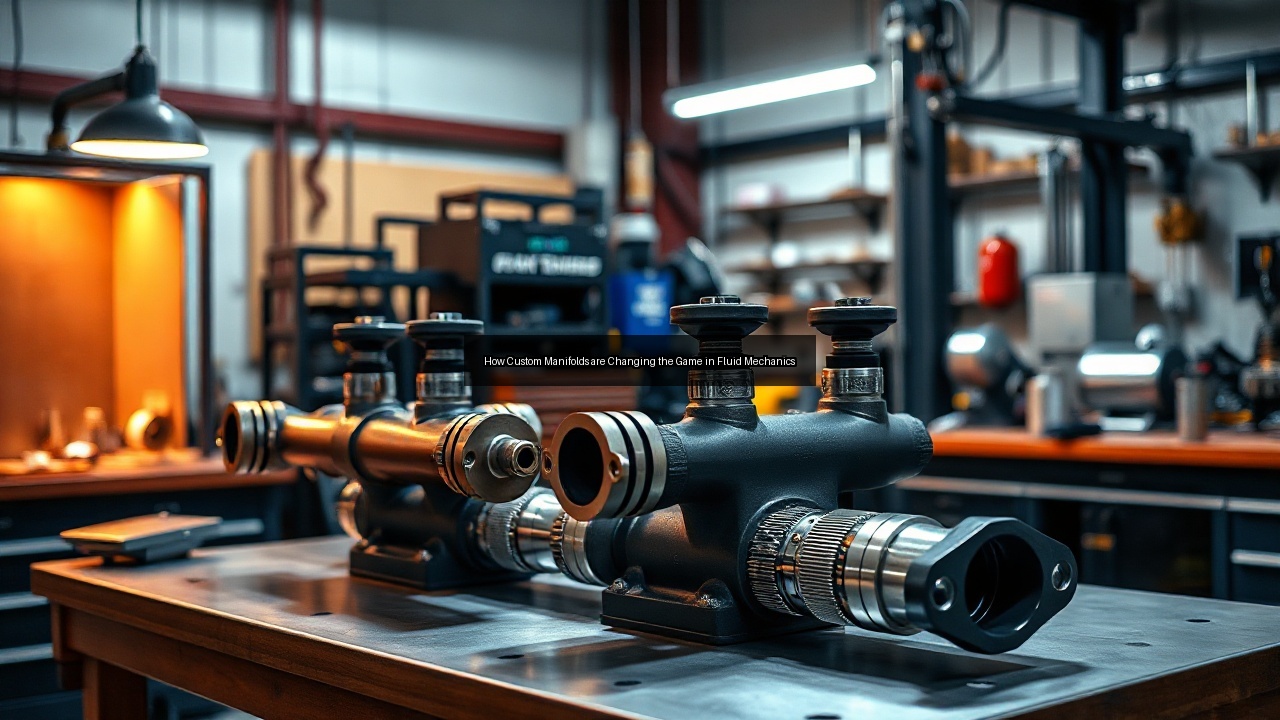
The Evolution of Custom Manifolds in Fluid Mechanics
Historical Development of Manifolds
Custom manifolds have played a crucial role in fluid mechanics, evolving significantly over the past few decades. The early designs focused on simple pipe configurations to distribute fluids efficiently. However, as industries grew, so did the complexity of the systems. Manufacturers began to realize that a one-size-fits-all approach was inadequate, leading to the development of custom manifolds tailored to specific applications. This shift allowed engineers to optimize flow paths and reduce energy losses, enhancing overall system efficiency. The demand for more sophisticated designs spurred innovation, paving the way for advanced fluid management solutions across various sectors.
Technological Advances in Manufacturing
Technological advancements in manufacturing processes have revolutionized the production of custom manifolds. CNC (Computer Numerical Control) machining and additive manufacturing techniques enable precise fabrication of intricate designs. These technologies reduce production time and minimize waste, promoting cost-effectiveness. Employing advanced materials such as stainless steel and aluminum has also improved the durability and performance of custom manifolds. Manufacturers now leverage these advancements to produce manifolds with optimized flow characteristics and reduced weight, making them suitable for high-performance applications in hydraulics and other fluid systems.
Impact of Design Software on Customization
Design software has transformed the way engineers approach custom manifold design. Sophisticated CAD (Computer-Aided Design) tools allow for the visualization and simulation of fluid flow within manifold systems. Engineers can test various configurations and materials, ensuring the design meets specific performance criteria before manufacturing begins. This level of customization not only enhances the functionality of hydraulic systems but also allows for rapid prototyping. As a result, companies can respond swiftly to market demands and tailor solutions for unique industrial challenges, significantly improving system performance and reliability.
Applications of Custom Manifolds Across Industries
Hydraulic Systems in Construction
In the construction industry, custom manifolds are essential for hydraulic systems that power heavy machinery. These manifolds control the flow of hydraulic fluid, enabling precise operation of equipment like excavators and bulldozers. Custom designs help optimize the distribution of hydraulic power, ensuring that machines operate efficiently and effectively. By integrating features such as ball valves and pressure regulators, manufacturers can enhance the reliability and safety of hydraulic systems. Custom manifolds tailored to specific machinery requirements also reduce maintenance needs and downtime, significantly benefiting construction projects that demand high performance and durability.
Fluid Power Solutions in Mining
Mining operations rely heavily on fluid power solutions, where custom manifolds play a pivotal role. These manifolds facilitate the safe and efficient transfer of hydraulic fluids needed to operate mining equipment, such as drills and haul trucks. Custom designs can accommodate the harsh environments typical of mining sites, ensuring durability against extreme conditions. Additionally, the ability to design manifolds that reduce pressure drops and enhance flow rates directly impacts productivity. By optimizing fluid mechanics in these applications, companies can improve operational efficiency, reduce energy consumption, and ultimately lower operational costs in the mining sector.
Agricultural Applications of Custom Manifolds
Custom manifolds find significant applications in agriculture, where they enhance the efficiency of irrigation systems and machinery. Farmers utilize hydraulic systems powered by custom manifolds to control various agricultural implements, such as seeders and sprayers. These manifolds allow for better control of fluid flow, ensuring that irrigation is both efficient and effective. By customizing manifold designs, manufacturers can adapt to the specific needs of different crops and terrains, optimizing water usage and improving crop yields. The integration of advanced technologies also supports precision agriculture, enabling farmers to monitor and manage resources more effectively.
Materials and Manufacturing Processes for Custom Manifolds
Steel vs. Aluminum: Choosing the Right Material
Selecting the appropriate material for custom manifolds is critical in achieving optimal performance. Steel and aluminum are the most commonly used materials, each offering distinct advantages. Steel, known for its strength and durability, is ideal for high-pressure applications, particularly in hydraulic systems. Stainless steel adds corrosion resistance, making it suitable for environments exposed to moisture and chemicals. On the other hand, aluminum is lighter and provides excellent thermal conductivity, making it a preferred choice for applications that require weight reduction, such as in automotive and aerospace industries. The choice between steel and aluminum ultimately depends on the specific requirements of the fluid system.
Fabrication Techniques for Custom Designs
Fabricating custom manifolds involves various techniques, including machining, welding, and assembly. CNC machining allows for precise shaping of manifold components, ensuring that they meet exact specifications. Welding techniques, such as TIG and MIG, are employed to join different parts, creating robust and leak-proof structures. Additive manufacturing has emerged as a game-changer, enabling the production of complex geometries that were previously difficult to achieve. Each fabrication method contributes to the overall performance of the custom manifold, impacting factors such as flow efficiency and pressure handling capabilities. Manufacturers must select the right combination of techniques to meet the demands of specific applications.
Thermal Management in Exhaust Systems
Effective thermal management is crucial in the design of custom exhaust manifolds. These manifolds play a key role in directing exhaust gases away from engines while managing heat dissipation. Engineers focus on materials that can withstand high temperatures, such as stainless steel, to prevent deformation and ensure longevity. Custom designs may incorporate features like integrated cooling channels that enhance heat transfer. Proper thermal management not only improves engine efficiency but also reduces emissions, aligning with environmental regulations. As industries push for greener technologies, the role of custom exhaust manifolds in thermal management becomes increasingly significant.
The Future of Custom Manifolds: Trends and Innovations
Integration of Smart Technology in Fluid Systems
The future of custom manifolds lies in the integration of smart technology within fluid systems. Companies are beginning to incorporate sensors and IoT (Internet of Things) capabilities into manifold designs, allowing for real-time monitoring and data collection. This innovation enables predictive maintenance, reducing downtime and enhancing operational efficiency. Smart custom manifolds can adjust flow rates and pressure automatically based on system demands, improving fluid management across various applications. As industries become more interconnected, the demand for intelligent fluid systems will drive further advancements in custom manifold technology.
Sustainability in Custom Manufacturing
Sustainability has become a priority in custom manufacturing processes. Companies are exploring eco-friendly materials and practices to minimize their environmental impact. This includes sourcing recyclable materials for custom manifolds and implementing energy-efficient manufacturing techniques. By focusing on sustainability, manufacturers can not only comply with regulations but also appeal to environmentally conscious consumers. Innovations such as reducing waste during fabrication and developing longer-lasting products contribute to a more sustainable approach to manufacturing custom manifolds, ensuring that these vital components meet future environmental standards.
Challenges and Opportunities in the Oil and Gas Sector
The oil and gas sector presents both challenges and opportunities for custom manifolds. As energy demands evolve, companies must adapt their fluid systems to meet stringent regulations and efficiency targets. Custom manifolds designed for this sector must withstand harsh environments and high pressure. However, this also opens avenues for innovation, encouraging manufacturers to develop new materials and designs that enhance performance. The push for alternative energy sources and more efficient extraction methods will drive the demand for advanced custom manifolds, positioning companies to capitalize on growth opportunities in a rapidly changing industry.