The Role of Rotating Connectors in Robotics and Automation
Understanding Rotating Electrical Connectors
What Are Rotating Electrical Connectors?
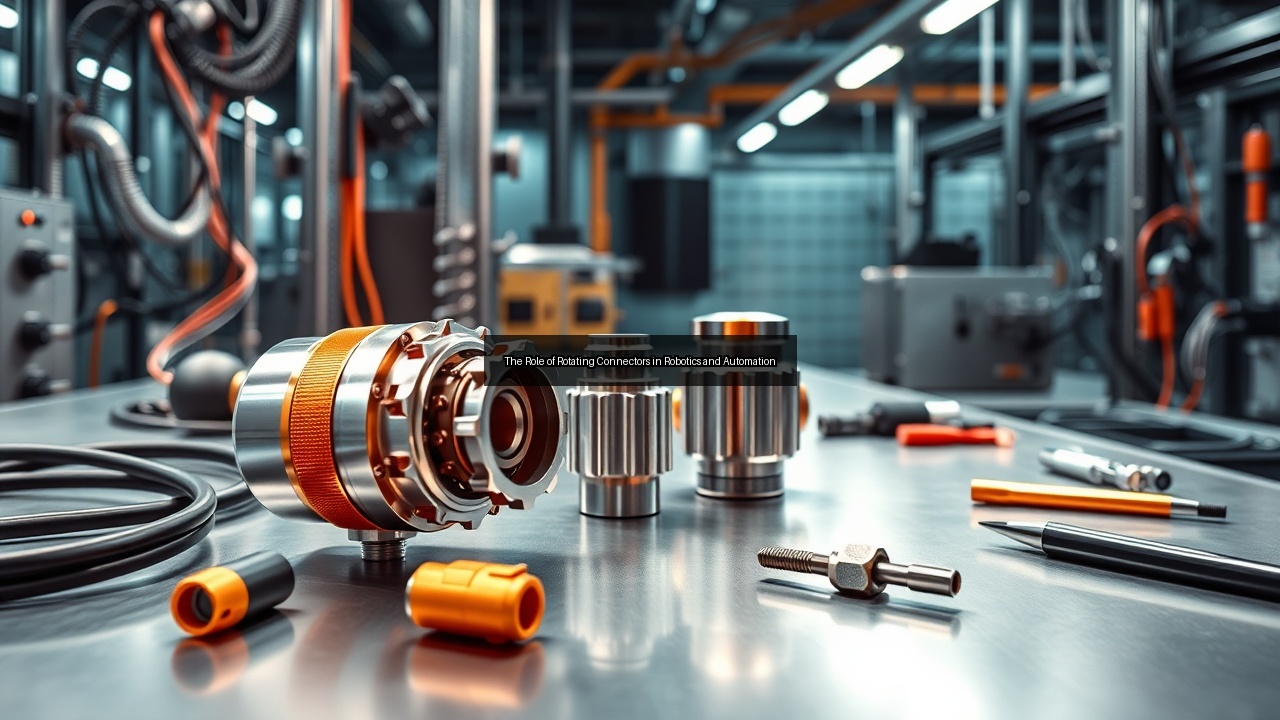
Rotating electrical connectors serve a critical function in many electronic and mechanical systems, allowing the transmission of power and data between stationary and rotating components. These connectors facilitate continuous rotation without tangling or damaging wiring. They play a vital role in applications where movement is constant, such as in robotics, automated machinery, and industrial equipment. A rotating electrical connector can significantly enhance the functionality of devices that require rotational freedom while maintaining electrical connectivity. This combination of mobility and connectivity ensures systems operate smoothly, ultimately improving efficiency and performance.
Key Components of Rotating Electrical Connectors
Rotating electrical connectors consist of several essential components that enable their functionality. The primary components include the rotor, stator, and the electrical contacts, which can be slip rings or rotary electrical contacts. The rotor typically rotates with the moving part of the machine, while the stator remains fixed. Electrical contacts allow the passage of electrical signals and power as they rotate. Additional components, such as insulation materials and housing, protect the internal parts from environmental factors like dust and moisture. Together, these components ensure reliable performance and longevity, making them indispensable in various applications.
Types of Rotating Connectors: Slip Rings vs. Rotary Electrical Contacts
Two main types of rotating electrical connectors dominate the market: slip rings and rotary electrical contacts. Slip rings are designed for continuous rotation and are ideal for applications requiring uninterrupted connectivity. They consist of conductive rings and brushes that maintain contact as the rings spin. On the other hand, rotary electrical contacts offer a more straightforward solution for applications with limited rotational movement. They can accommodate lower speeds and less frequent rotations, making them suitable for specific use cases. Understanding the differences between these two types helps engineers select the most appropriate connector for their particular application.
Applications in Robotics and Automation
Role of Rotating Connectors in Robotic Arms
Robotic arms rely heavily on rotating electrical connectors to function effectively. These connectors enable power and data transmission to the arm's moving parts, ensuring precise control over its movements. In applications such as manufacturing and assembly lines, robotic arms require continuous rotation to perform tasks like welding, painting, and assembly. Rotating connectors help maintain the arm's functionality by providing a reliable electrical connection even as it moves through complex motions. The integration of these connectors significantly enhances the versatility and efficiency of robotic systems, allowing them to adapt to various tasks without interruption.
Integrating Rotating Electrical Connectors in Automated Systems
Automated systems benefit greatly from the use of rotating electrical connectors. These connectors enable seamless communication between stationary and mobile components, facilitating efficient operation in various industrial applications. For example, in conveyor systems, rotating connectors help maintain electrical communication as sections of the conveyor rotate or move. This capability ensures that sensors and motors remain connected, allowing for real-time monitoring and control of the system. Furthermore, the integration of reliable rotating connectors minimizes downtime and maintenance needs, leading to more efficient production processes and reduced operational costs.
Case Studies: Success Stories Using Rotating Connectors
Several successful implementations of rotating electrical connectors highlight their importance in robotics and automation. For instance, a leading automotive manufacturer integrated slip rings in its robotic assembly lines, resulting in a 25% increase in productivity. The slip rings allowed for continuous operation without the risk of cable wear or disconnection. Another example involves a logistics company that utilized rotary electrical contacts in its automated sorting systems. This integration improved the reliability of the sorting mechanism, leading to faster processing times and higher accuracy in package handling. These case studies demonstrate the tangible benefits rotating connectors bring to modern automated solutions.
Technical Considerations for Rotating Connectors
Speed and Performance: How Rotating Connectors Affect Efficiency
The speed at which rotating electrical connectors operate significantly impacts the overall efficiency of a system. High-speed applications demand connectors that can maintain stable electrical connections without generating excessive heat or wear. Slip rings, designed for continuous rotation, often excel in these high-speed environments, providing dependable performance without sacrificing reliability. On the other hand, rotary electrical contacts may not be suitable for high-speed applications due to their limited operational range. Engineers must carefully evaluate the speed requirements of their systems to choose the appropriate type of rotating connector, ensuring optimal performance and longevity.
High Voltage Applications: Safety and Design Considerations
In high voltage applications, safety becomes paramount when selecting rotating electrical connectors. These connectors must be designed to handle elevated voltage levels while minimizing the risk of electrical arcing or insulation failure. Manufacturers often incorporate advanced insulation materials and robust construction techniques to ensure safe operation. Additionally, proper wiring and adapters play a crucial role in maintaining compatibility with high voltage systems. Engineers must consider the environment in which the connectors will operate, including temperature and humidity, to ensure the design meets safety standards and performs reliably over time.
Wiring and Adapters: Ensuring Compatibility and Functionality
Wiring and adapters are essential components for ensuring the compatibility and functionality of rotating electrical connectors within a system. Proper wiring techniques help maintain signal integrity and minimize potential interference, which is particularly critical in automated environments where multiple signals may coalesce. Adapters may be necessary to connect different types of connectors, particularly in applications where older equipment interfaces with newer technology. Investing in high-quality wiring and adapters can enhance the overall performance of rotating connectors, ensuring seamless operation and longevity in demanding environments.
Future Trends in Rotating Electrical Connectors
Advancements in Wireless Technology and Its Impact
Wireless technology is poised to revolutionize the landscape of rotating electrical connectors. As industries increasingly embrace wireless solutions, the need for traditional connectors may diminish in some applications. Wireless systems can eliminate the need for physical connections, reducing wear and enhancing mobility. However, challenges remain in ensuring reliable data transmission and power transfer. Future innovations may bridge the gap between wired and wireless technologies, allowing for hybrid solutions that retain the benefits of both systems. This shift could lead to more versatile and efficient automated systems, transforming how industries approach connectivity.
Innovations in Design: The Next Generation of Rotary Connectors
Design innovations continue to shape the future of rotating electrical connectors, focusing on enhancing performance, efficiency, and adaptability. Manufacturers are exploring advanced materials that offer improved durability and thermal resistance. Additionally, innovations in miniaturization enable the creation of smaller, lighter connectors without sacrificing functionality. These advancements will cater to the increasing demand for compact, efficient solutions in robotics and automation. As industries evolve, the next generation of rotary connectors will adapt to meet the changing needs of technology, driving further advancements in automation and robotics.
Market Outlook for Rotating Electrical Connectors in Automation
The market outlook for rotating electrical connectors in automation remains robust. As industries increasingly automate processes and integrate advanced robotics, the demand for reliable and efficient connectors will only grow. Key sectors, including manufacturing, logistics, and healthcare, continue to adopt automation solutions, driving the need for high-quality rotating connectors. Market players must stay ahead of technological trends and customer demands to remain competitive. With the potential for continued growth, the future of rotating electrical connectors looks promising, paving the way for innovations that enhance operational efficiency across various applications.
See Also
- Comparing Linear Taper Connectors and Rotating Electrical Connectors
- Revolutionizing Connectivity with Wireless Technology in Rotating Electrical Connectors
- Understanding the Wiring Needs of Rotating Electrical Connectors
- Understanding Linear Taper and Its Impact on Rotating Electrical Connectors
- Selecting the Right Adapters for Your Rotating Electrical Connector Needs